
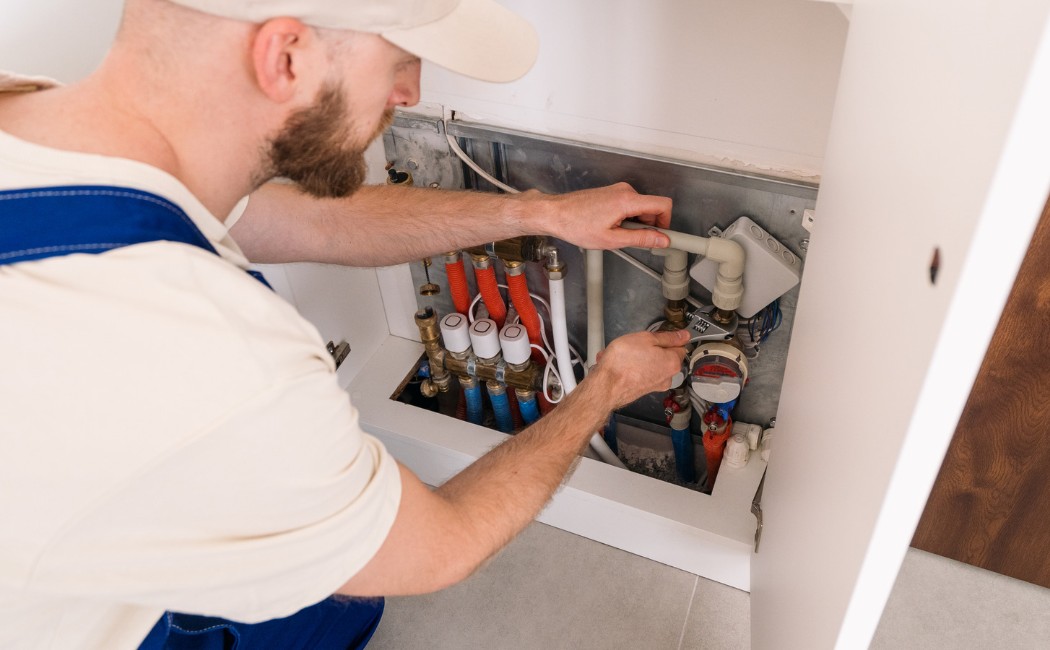
One of the most necessary components of a home or a business place is plumbing systems. Most plumbing issues occur gradually and remain undetected until they lead to immense destruction. Here is where the role of Plumbing Inspection Services is quite crucial.
An inspection of a plumbing system is done by a professional who examines the well-being of your plumbing system. It assists in the detection of leakage, corrosion, drainage, and safety hazards before they turn into expensive maintenance. The frequent checkups also enhance productivity, extend the durability of pipes and fittings, and help the homeowners have a secure water system.
Knowing the process of inspection involved in plumbing helps in sustaining the plumbing system. In this blog, we will get a closer examination of what normally occurs during professional plumbing inspections.
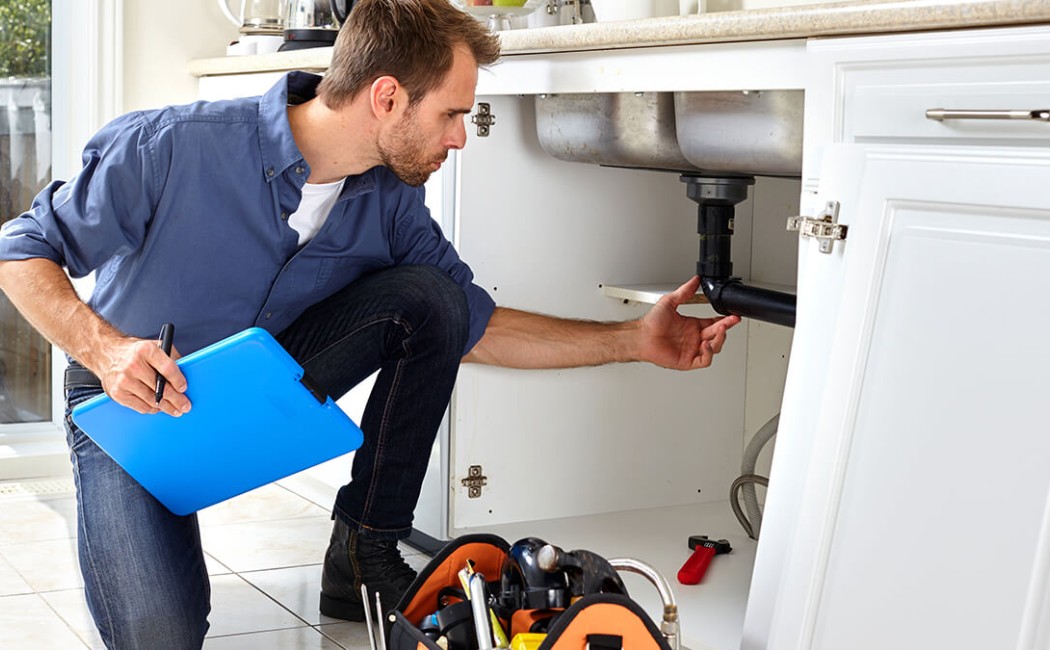
What Does A Plumber Check?: A Plumber’s Checklist
A prepared Plumbing Inspection Checklist will guarantee the complete inspection of all the parts of the plumbing. Professionals are systematic to ensure that no possible problems are left out.
What are the Fixtures and Appliances investigated?
The plumbers start by examining visible fixtures, such as sinks, faucets, showers, bathtubs, and toilets. They check for:
- Dripping faucets
- Loose fittings
- Low water pressure
- Slow drainage
- Signs of corrosion or wear
Even appliances in the house that use a water connection, such as dishwashers and washing machines, are checked. Such appliances are inspected to ensure that they are properly connected, leak-free, and well-drained.
Checking Pipes and Water Lines
Water Pipe Inspection is a significant portion of the inspections. Professionals inspect both exposed and hidden pipes to detect the problems, including:
- Pipe corrosion
- Weak joints
- Rust buildup
- Irregularities in water pressure.
If older materials, such as galvanized steel pipes, are available, plumbers can advise upgrades to prevent future failures.
Why are drainage systems reviewed?
The drainage systems are responsible for eliminating wastewater. Inspectors also assess the smooth flow of water through the drains and check for any blockages or accumulations that could cause slow drainage or backups.
What Plumbing Inspection Tools Are Used to Find Problems?
Professional plumbers also use Plumbing Inspection Tools, which enable them to identify problems that cannot be seen by the naked eye.
What are the Tools of the Leak Detection Services?
Advanced leak detection services use electronic and digital tools to identify leaks without having to break walls or floors. Some common tools include:
- Acoustic leak detectors
- Moisture meters
- Infrared thermal cameras
They are used by professionals to identify concealed water leaks behind walls, under floors, or even between ceilings.
How Does Camera Inspection Work?
Video inspection cameras are mounted in pipes and drains and used to record live views of the interior of the pipes. The technology assists plumbers in finding:
- Cracks in pipes
- Intrusion of roots in sewering mains.
- Blockages or buildup
- Pipe misalignment
Camera inspections enable plumbers to detect faults and diagnose issues without digging up and destroying the ground.
What Is the Significance of Water Pressure Testing?
Plumbers measure water pressure to ensure the system functions properly. High pressure may lead to pipe and appliance damage, whereas low pressure may indicate concealed leaks or obstructions. Pressure testing ensures the efficiency of the plumbing in the long run.
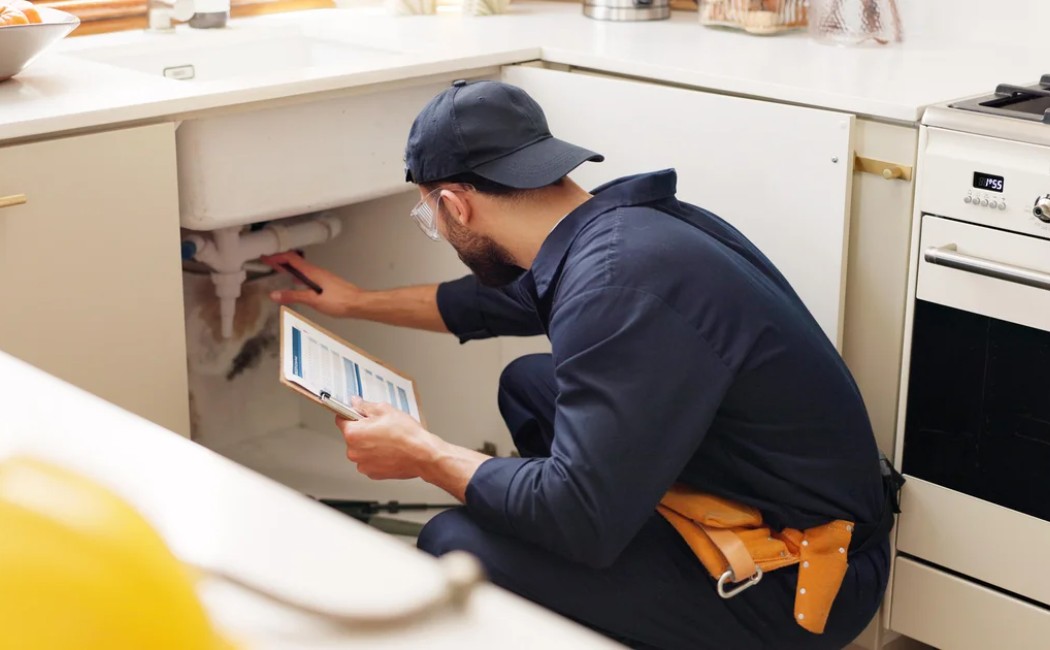
What Is the Importance of a Plumbing Safety Inspection on Homes?
A Plumbing Safety Inspection is one that ensures the whole plumbing system functions safely and in accordance with local codes. Water contamination and structural damage are particularly dangerous to certain safety checks.
What are the Signs of Water Damage that are checked?
Plumbers randomly check the spaces surrounding pipes, fixtures, and appliances to be aware of possible water damage, including:
- Mold growth
- Warped cabinets or flooring
- Stains on the ceiling or wall caused by water.
- Damp or musty odors
Such signs could indicate unnoticeable leaks or poor ventilation that need to be addressed urgently.
How Are Shut-Off Valves and Safety Controls Tested?
During an emergency, the shut-off valves are very important. Valves are checked and opened by the inspectors. They also test:
- Water heater safety valves
- Pressure regulators
- Backflow prevention apparatuses.
- Safety controls should work properly to prevent flooding and contamination.
Why are the gas water heaters also checked?
For a gas-powered water heater in a home, plumbers assess its ventilation adequacy and safe operation. Malfunctioning connections or inadequate ventilation may pose a high risk of gas leakage or carbon monoxide formation.
What occurs during sewer line inspection?
One of the most important, but often overlooked, elements of a plumbing system is the sewer line. A Sewer Line Inspection will ensure that wastewater is not being dangerously transferred to the property.
How Are Sewer Lines Examined?
Camera inspection devices are normally used by plumbers to check the state of sewer pipes. The camera goes through the line and transmits the live video to a monitor.
Problems that are identified in this inspection are:
- Tree root intrusion
- Pipe cracks or collapses
- Grease buildup
- Foreign object blockages
What are the causes of Sewer Line problems?
It happens that sewer lines may be broken by aging pipes, soil movement, or tree roots. Gradually, grease, debris, and household waste can also build up in pipes and block flow.
Routine inspections will assist in the early detection of such problems and allow preventing sewage overflow.
Should Sewer Lines be inspected?
Specialists suggest sewer inspection:
- Before buying a home
- In cases of frequent clogging of the drain.
- In case of foul odors around the drains.
When it comes to regular plumbing maintenance.
Early identification avoids costly excavations and repairs.
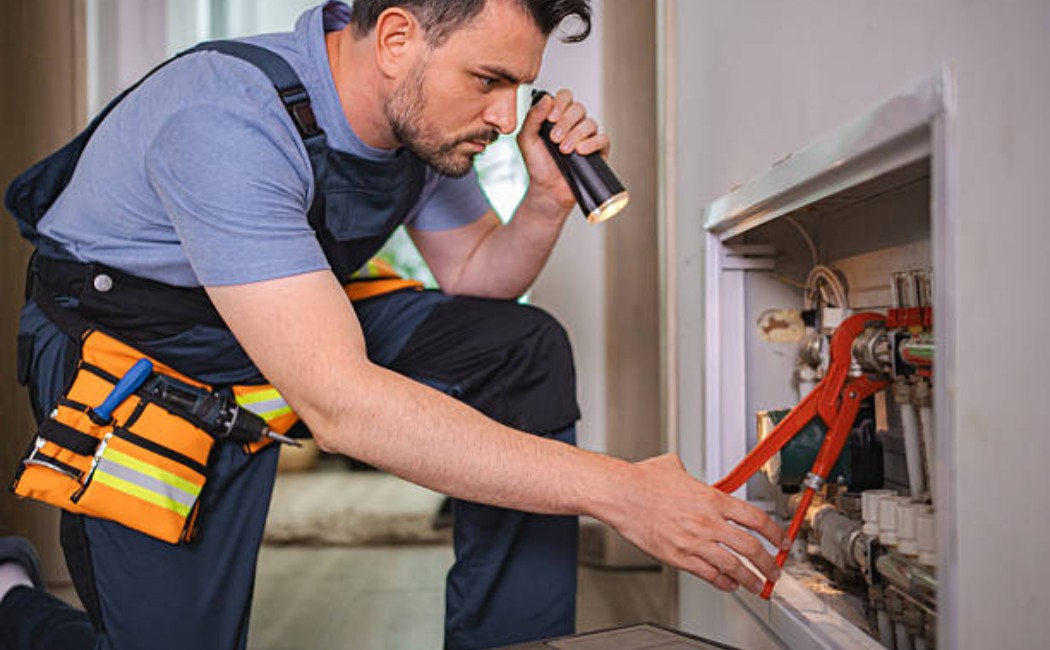
What Are The Most Important Tips In Plumbing Inspection?
Even though it is important to engage professional inspection services, there are helpful Plumbing Inspection Tips that will allow homeowners to take proper care of their systems between inspections.
How Often Should Plumbing Be Inspected?
Plumbing Inspection Services once a year are recommended by most experts. The inspection may be more frequent in older houses or buildings with complex plumbing systems.
Regular screenings enable practitioners to detect minor problems before they become significant.
What are the Red Flags that Homeowners should watch?
There are some plumbing issues that will arise between inspections. Warning signs include:
Water bills have gone up without any reason.
- Persistent drain odors
- Gurgling sounds in pipes
- Water stains or mold growth
In case any of these signs are observed, a professional plumber should be contacted as soon as possible
What is the importance of Preventive Maintenance?
Prophylactic maintenance of plumbing is cost-effective in the long run. Minor problems, such as leaking or slow-draining drains, may require major repairs if left unaddressed. Periodic checks can help ensure efficiency and extend the life of plumbing systems.
Plumbing Inspection Services for Homes and Businesses.
Quality Plumbing Inspection Services offer residents the opportunity to have safe, reliable plumbing systems. Inspections, whether of homes or commercial establishments, offer valuable insights into the condition of the pipes, fixtures, and drainage systems.
Residential Plumbing Inspection is carried out by professional inspectors who usually conduct it to ensure that homes do not have any leaks or other plumbing hazards that are not apparent. For businesses, Commercial Plumbing Inspection helps ensure and maintain operational efficiency and avoid costly disruptions.
Skilled Plumbing Inspection Contractors detect potential problems at an early stage using modern equipment and effective techniques. Their knowledge helps property owners avoid the cost of expensive emergency repairs and maintain reliable water systems.
Conclusion
Professional plumbing inspections are key to protecting homes and businesses from costly water damage and burst pipes. Plumbers can identify potential issues beneath the surface through a thorough evaluation of fixtures, pipes, drainage, and sewer lines, and prevent them from arising.
Regular servicing improves the system’s productivity, prolongs the lifespan of plumbing components, and helps preserve the water supply as safe and healthy. They also provide peace of mind to homeowners, as they know their plumbing systems are in good working order.
Service Pros Inc. would like to assure you that we can provide sound plumbing services through trained and qualified individuals who will ensure your plumbing system is in very good condition. Their professional technicians use advanced inspection devices and technologies to reveal issues at an early stage and suggest the most effective ways to resolve them.
Book an appointment with a professional plumber and protect your property from costly plumbing problems.
FAQs:
How long is the average time of the Plumbing Inspection Services?
Most plumbing systems will also require 1 to 2 hours for inspection, depending on the property’s size and the complexity of the installed system.
Are there any new houses that need plumbing inspection?
Yes, even new houses can have installation issues or flaws that a professional inspection can reveal.
How much do professional plumbing inspections cost?
The fee varies according to the size of the property and the extent of the inspection.
Can a plumbing inspection identify hidden leaks?
Yes, there are professional leak-detection devices and cameras to find leaks behind walls, under floors, and inside pipes.
How often is the sewer line inspected?
Professionals advise the inspection of sewer lines after one to two years or as the drainage issues recur.